
El Niño and the Growing Need for Climate-Resilient Pharmaceutical Infrastructure
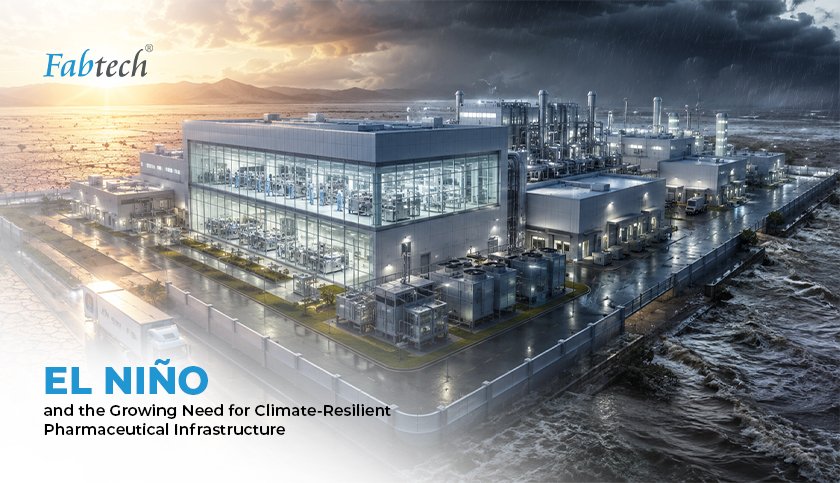
When a climate event begins to be described as a “monster,” it naturally raises one unsettling question — where exactly are we heading?
At Fabtech Technologies, climate change has been a subject we have consistently spoken about for the last few years. Not because it was trending, but because its effects were already beginning to reshape industries, healthcare systems, and infrastructure across the world.
What perhaps many did not anticipate was how layered climate change would become with time. Every season now seems to introduce a new challenge, a new unpredictability, and a new pressure point for global healthcare systems.
And now, the conversation is increasingly revolving around El Niño.
This is not a new phenomenon. El Niño has resurfaced periodically over the years, but each occurrence seems to arrive with growing intensity and concern.
Multiple climate models suggest that a potential “Super” or “Monster” El Niño could develop between May and July 2026, possibly becoming one of the strongest events recorded in over 150 years. While El Niño is a naturally occurring climate pattern caused by the warming of Pacific Ocean temperatures, its consequences are anything but ordinary.
Its effects extend across continents, bringing extreme heat, droughts, intense rainfall, floods, agricultural losses, disrupted ecosystems, and economic instability.
Yet, despite all the discussion around weather and environment, one impact often goes unnoticed: healthcare.
Climate Change and the Rise of Climate-Sensitive Diseases
When climate conditions become more severe, healthcare systems experience the pressure almost immediately.
Extreme heat worsens respiratory illnesses such as COPD, asthma, and cardiovascular conditions. Rising temperatures and changing rainfall patterns also create ideal conditions for disease-carrying vectors such as mosquitoes to spread rapidly across regions.
According to the World Health Organization, El Niño events are closely associated with increased outbreaks of diseases such as malaria, dengue, cholera, typhoid, diarrhea, and respiratory illnesses linked to heat and poor air quality.
These outbreaks place enormous pressure on already strained healthcare systems, particularly in developing and climate-sensitive regions.
And this is where the conversation around climate change can no longer remain limited to sustainability alone. It must also include preparedness.
Combating Climate Change Through Healthcare Readiness
The connection between climate and health is becoming more complex with every passing year.
Combating climate change is not only about reducing emissions or adopting energy-efficient technologies. It is also about building systems capable of responding when healthcare demand rises suddenly and unpredictably.
There is a growing need to stay ahead of the curve, not only in medicine and drug production, but also in ensuring these medicines remain accessible to populations living in resource-poor and climate-vulnerable regions.
This is where climate-resilient pharmaceutical infrastructure becomes increasingly important.
Being Pharma Sufficient During Climate Change
During extreme weather events, global supply chains are among the first systems to face disruption. Floods, heatwaves, transport breakdowns, and power failures can interrupt the movement of medicines, APIs, vaccines, and essential healthcare products.
Countries that depend heavily on imported medicines often become vulnerable during these disruptions.
Being pharma sufficient goes beyond manufacturing strength. It is about protecting public health during climate uncertainty. Localized pharmaceutical manufacturing can help prevent deadly shortages when global logistics, raw material sourcing, or cold-chain transport systems begin to fail.
By strengthening domestic manufacturing capabilities, nations can:
- Protect medicine availability during climate emergencies.
- Reduce dependence on disrupted international supply chains.
- Improve response time during disease outbreaks.
- Ensure continuity of healthcare services during crises.
More importantly, local manufacturing enables faster and more reliable access to treatments in regions that are hardest hit by climate-related diseases.
Preventing Healthcare Disruptions Through Engineering
Climate change is also forcing pharmaceutical engineering to evolve faster than ever before.
Extreme weather conditions such as floods, prolonged droughts, and severe heatwaves frequently impact pharmaceutical facilities and logistics systems. Manufacturing interruptions can quickly lead to shortages of life-saving medicines.
To reduce this risk, pharmaceutical facilities now require stronger infrastructure planning and engineering resilience.
Securing Supply Chain Continuity
Modern pharmaceutical facilities must be designed to continue operating even during climate-related disruptions.
Investing in backup systems, flood barriers, and resilient utility grids, reliable HVAC systems and advanced environmental monitoring ensures manufacturing plants and distribution hubs can maintain uninterrupted operations even during extreme climate events.
Safeguarding Temperature-Sensitive Products
Climate change also threatens the integrity of temperature-sensitive pharmaceutical products such as biologics, vaccines, and insulin.
Rising global temperatures and humidity levels increase the risk of product degradation during storage and transportation. Climate-controlled warehouses and smart, continuous-monitoring systems prevent active pharmaceutical ingredients (APIs) from degrading or spoiling during transit and storage.
By utilising advanced packaging systems, medicines remain safe and effective throughout the supply chain, while monitoring external temperature exposure to maintain product efficacy upon delivery. This is particularly beneficial in regions where cold-chain infrastructure remains limited.
The Shift Toward Localized Manufacturing
Another important shift is the rise of smaller, modular, and localized manufacturing facilities.
Localized production reduces dependence on long transportation routes while helping countries respond faster during emergencies.
At the same time, modular pharmaceutical infrastructure allows facilities to scale quickly in response to changing healthcare demands.
Energy Efficiency and Sustainable Operations
Climate-resilient infrastructure must also be energy conscious.
Engineering interventions such as optimized HVAC systems, waste heat recovery, and efficient utility planning can significantly reduce energy consumption while improving long-term operational sustainability. This creates a balance between environmental responsibility and operational performance.
Preparing for a Less Predictable World
Climate change is no longer a future possibility. It is already reshaping healthcare realities around the world.
As climate events such as El Niño become stronger and more unpredictable, the need for resilient pharmaceutical infrastructure will continue to grow.
At Fabtech Technologies, we believe healthcare resilience begins long before a crisis arrives.
Through advanced pharmaceutical turnkey projects and engineering solutions for pharmaceutical manufacturing, we continue to support environments designed for reliability, compliance, scalability, and long-term performance.
Because when climate unpredictability becomes the new normal, so should preparedness.
Connect with Fabtech Technologies to build engineered environments built for the evolving demands of global healthcare.
Categories
Recent Posts
Subscribe
Never miss a post from Fabtech. Sign up to receive updates direct to your inbox.