- They wanted a flexible design as they had space constraints, so the equipment layout had to be designed in line with their existing structure
- They had tight timelines and budgets but did not want either to get in the way of the quality and safety standards
They were keen to hire a company whose capabilities and expertise was evident through their project references.
When we presented them with our solutions and plan of execution, we thoroughly impressed them with our technical capability, out-of-the-box thinking and our flexible attitude. They did not hesitate and gave us the project without a second thought.
Our design team developed the concept with multiple iterations factoring in quality, reliability, safety and environmental concerns taking a risk-based approach to developing the feasibility plan. We conducted a through technical discussion including product study, capacity mapping, identifying hazard group, determining dustiness potential leading to exposure potential and defining of the containment strategy thereby freezing hardware provisions. We kept all the stakeholders on the customer side in the loop, and this made all the difference. They had more clarity on their needs as the design evolved, and we agreed to incorporate these requirements into the design.
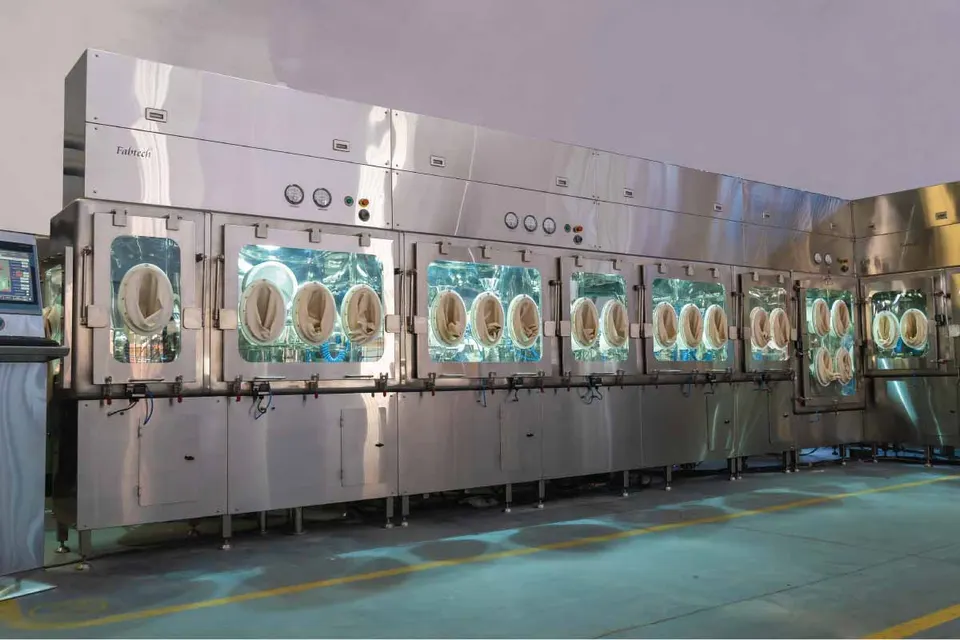
The project was developed using isolator technology. Quality, reliability, safety and operator ergonomics were of paramount consideration, and we chose the equipment accordingly. The bulk of the equipment and sub assembly was manufactured by us in our state of the art factory in Umergaon, outside of Mumbai with a few critical pieces sourced from European manufacturers.
Key aspects of the project included:
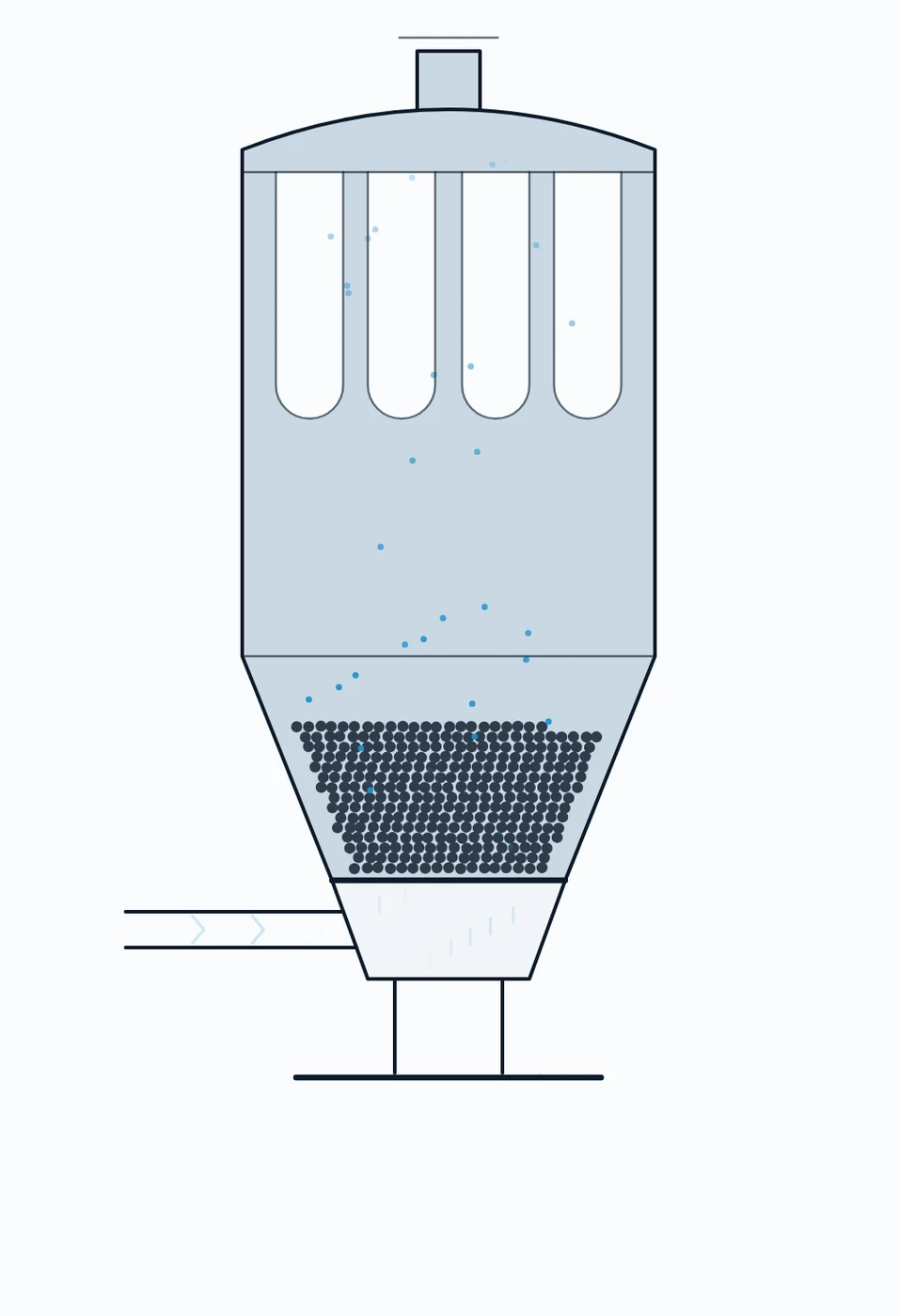
- Interchangeable multi capacity High Shear Mixer, Fluid Bed Dryer and Autocoater to enhance development flexibility, despite challenges to keep the working ergonomics at the forefront
- A vacuum sampler in the coater to ensure no breach of the containment system
- All product contact parts are washable in design for decontamination
- Every chamber is provided with advanced Staubli quick coupling for cleaning utility
- Entire isolator has centralised drain system with a conductivity sensor for online cleaning validation
- Implementation of safe change push pull type double HEPA arrangement to eliminate the risk of contamination to the environment.
- Each piece of equipment is integrated with the isolator which runs on SCADA
- Auto report generation on SCADA system for Isolator leak test according to ISO 10648-Part 2
- IPC based control system
- The system can be remotely operated from anywhere in the plant using a tablet device
- Glove leak tester developed by Fabtech with RFID for individual gloves to accurately identify tested gloves
Despite all the constraints we are proud that we completed the project within the budget and timelines agreed with the customer. We are thrilled to have had the opportunity to showcase our capabilities and ensure the customer was the hero of our story. This was a bonafide handholding process, not merely equipment supply. If you would like more information on our custom built containment solutions please fill out the form below.