We live our lives surrounded by stereotypes. Some based in some historical nugget of a factoid. Some based entirely on fiction. And some that continue perpetuating discriminatory behaviour even in the face of all logic and science.
Like the discrimination women face. From even before they are born to well after they die.
If I were born a woman, chances are:
1 in 4 that I would’ve been killed even before I was born
1 in 3 that I would not have gone to school
2 in 3 that my parents would have to break their banks to get me married
1 in 3 that I would’ve been harassed, abused or killed after my wedding for dowry
1 in 2 that I would be overlooked for jobs in favour of men, regardless of qualifications
3 in 4 that I would be paid less than equally qualified men for the same job
I could go on with stats like this. And while this numbers above are off the top of my head and not necessarily accurate, I don’t think they are too far off the truth either. For far too long, we have created and continued a culture where women are seen as inferior and only equipped to take care of home and hearth (not that they get enough credit for that either).
At work, women are complimented for their looks and their sense of fashion and their “charm” while men get complimented (and promoted) for their drive and intelligence and ambition. Women are routinely overlooked for promotions and plum assignments, often accompanied by the “Oh you will get pregnant and become a mother and stop working” comment. Even the greatest women in science, literature, engineering, academics, and any other field you can think of only get their due either centuries after their death or because it is simply not possible to overlook their accomplishments while men get hailed as visionaries for just being able to steal or replicate ideas.
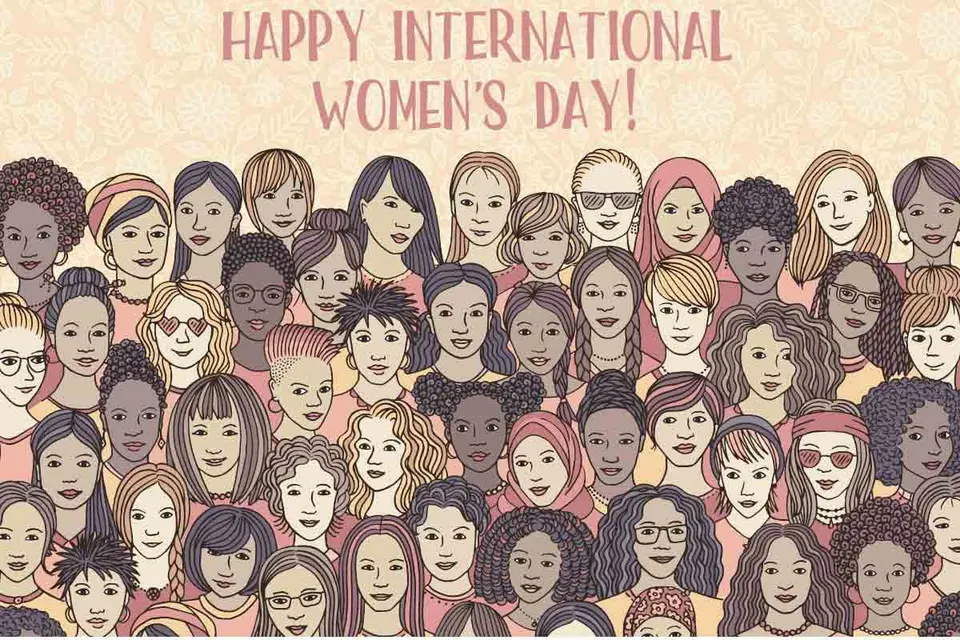
And this is what makes me question the sanity of people who say - every year, unfailingly - why do women need a special day? Or a special compartment? Or reserved seats? Or even the slightest bit of an advantage of any kind? And they will invariably chase that with but men don’t get any advantage, women get everything? In a world that has historically been obscenely tilted in favour of men and which continues to be tilted in favour of men, the least men can do is leave this one day aside to celebrate and revere and respect women and tell them this is their world too. That they belong. At every chair and table and position. In politics and government and business and industry and sports and culture and arts and science and everywhere. And yes, at home too. Tell women such that they can reclaim belief in themselves and their place in the world. Yes, they are mothers, sisters, daughters. Before that they are women with identities of their own. And today and everyday is a day to recognise that individual identity before burdening them with identifiers like mother and sister and daughter.