Asking all farmers to stop farming and find other livelihoods is obviously not an option. because everybody in the country needs to eat. And the food we eat is made possible by our farmers, toiling away in fields under hot summer suns, cajoling dry lands into giving up just a little bit more water, praying that the rains always remain friendly, tending to their lands day after painstaking day to ensure rice, wheat, grains, vegetables, fruits all reach markets across India, ready for our consumption.
And the reward farmers in India get for this? Soul-crushing debt, limited access to technology, dependence on rainwater, inefficient water management systems, GM seeds which are costlier to maintain. Add to this costs for pesticides because nobody wants to pay extra for organic produce even if it is healthier for the body and for the environment and takes a massive burden off our farmers. And if the farmers are lucky, they get rewarded with just enough of a profit to afford one meal a day at home. And an unrelentingly pessimistic outlook for next year.
Is it any wonder that farmers resort to suicide as a way out?
At Fabtech, we believe things can change. Things have to change. We owe it to ourselves to secure a future for our farmers. It is not about them. It is about us. Imagine a world where there are no farmers. We can’t. And we decided to do what we could to help our farmers.
We have been working with the Shivprabha Charitable Trust on various projects in Maharashtra through the year. Shivprabha's pillars are service, education, upliftment and rural empowerment.
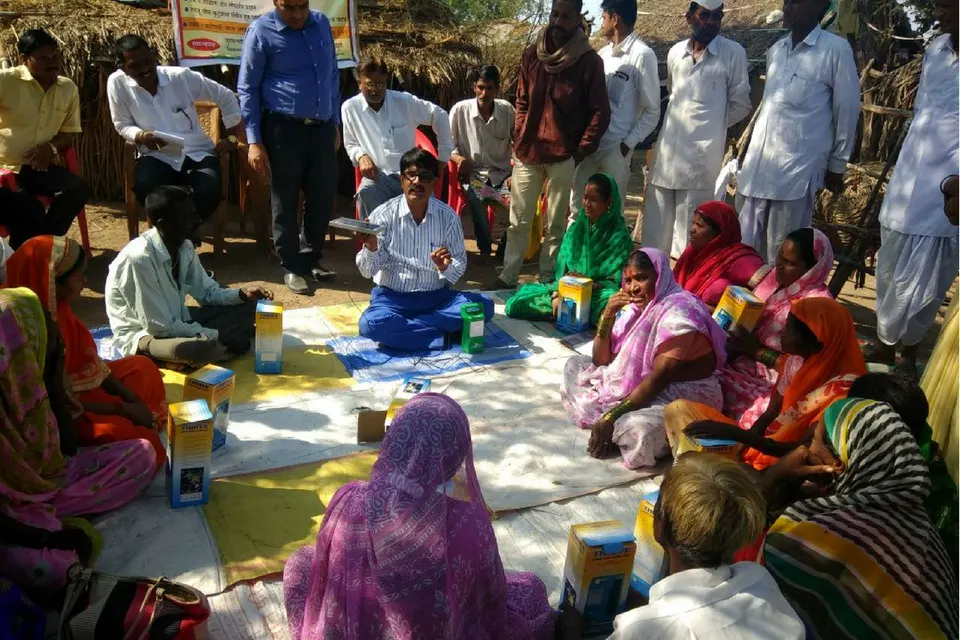
So when they came to us in 2017 with an idea to create a platform that would help farmers help themselves, we were all ears. They called their project “Help the farmer, Save the farmer” and the plan was quite simple. Through Farmers Clubs, lend seed funding and technology know-how to a group of farmers for the first year, ask the same farmers to invest back into the project next year, involve more farmers and keep the chain going. We were immediately on board.
Last year, with Shiv Prabha, we were able to provide funds to 30 small farmers in the Vidarbha region of Maharashtra. Just like Colonel John Hannibal Smith, we love it too when a plan comes together. As this one did. Our 30 farmers not only managed to return the seed money, they also came back with enough funds for us to support 12 more farmers. And with a little extra investment, we will be supporting 50 farmers this year. And while this may be a small step, like some wise man once said, every great journey begins with but a single step.
If you would like to support Shiv Prabha's initiatives, please get in touch with Amol Sainwar, President & Founder of the Trust.
This post was originally posted on LinkedIn on June 26, 2018.